
ABOUT
US
Who We Are
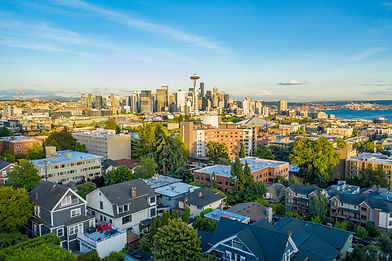
Green Neighborhoods Coalition is a group of Seattle organizations and residents working to make sure the city adds more housing while also investing in the parks, trees, green infrastructure, and community planning that neighborhoods need. The coalition has nonprofit status under Seattle Parks Foundation, which provides administrative and financial support.
We support more housing and more density throughout the city to address the affordability crisis. But Mayor Wilson's "Taller, Denser, Faster" approach would make land use decisions before the public has a meaningful opportunity to weigh in and the city has fully evaluated the environmental consequences.
The Mayor is asking Seattle residents to accept sweeping neighborhood changes while limiting planning, environmental review, and community engagement. Seattle deserves better, and we have a real opportunity to partner with Mayor Wilson on a greener, more vibrant vision for neighborhoods from Aurora Avenue to Lake City Way to Rainier Avenue.
Our coalition is advocating for a growth strategy that delivers more housing while protecting and prioritizing the parks, trees, and green infrastructure that support healthy neighborhoods and a resilient future.
Background
In 2023, the Washington State Legislature passed the Middle Housing Bill, requiring cities to eliminate traditional single-family zoning in order to increase housing production through greater density. Last year, Mayor Bruce Harrell and the Seattle City Council adopted legislation to implement the state's mandate.
Seattle is in a housing crisis and both actions legitimately sought to achieve the goal of increasing the supply of affordable housing. Neither decision making process gave sufficient attention to the potential impacts on neighborhood green infrastructure and community character—impacts that can only be fully understood and evaluated at the neighborhood level.
More recently, Mayor Wilson proposed building housing “Taller, Denser, Faster.” While the need for more housing is widely recognized, again little attention was given to the impact increased density may have on neighborhood parks, trees, and other green infrastructure. Nor has a meaningful process been created to evaluate these neighborhood-level consequences before major changes are made.
In addition to ignoring the need for parks and green infrastructure, the current plan ignores the impacts on all the other systems that make neighborhoods function like the energy grid, the ground water and sewer systems, and the streets and sidewalks.
The plan should shift from how fast, how tall, and how dense we can build to how best we can add the housing our city needs while preserving and expanding the parks, trees, and open spaces that make neighborhoods livable. Housing growth and green infrastructure should be planned together, strengthening the unique character and resilience of each neighborhood.
Our Mission & Vision

The image suggests the development of tree lined boulevards (dark green) with dense multi-story buildings to accommodate increased density. The image shows the park system today, as developed under the Olmsted Plan of 1903.
Mission
Our mission is to hold Seattle leaders accountable for delivering growth that includes housing, parks, trees, climate resilience, and community infrastructure instead of one at the expense of the others, and to ensure that green investment never comes at the cost of displacing the communities who need it most.
We are advocating for a transparent, deliberate, and publicly accountable planning process that fully evaluates the impacts of proposed growth and gives residents a meaningful voice in shaping Seattle's future.
THE PLAN, CITYWIDE
A Green Vision for Seattle's Growth
We envision a Seattle where every resident, including those who have called these neighborhoods home for generations, has access to affordable housing, parks, green space, tree canopy, transit, and community amenities. Future generations deserve a city that is greener, healthier, and more resilient, not one where parks, trees, and public spaces are an afterthought.
Growth doesn't have to come at the expense of the things that make Seattle, Seattle. Woven across the city, green boulevards, preserved parks, and targeted development can add homes while strengthening the canopy and open space that neighborhoods depend on.
What's at Stake
Everyone agrees Seattle needs more housing. But the "Taller, Denser, Faster" approach threatens to sideline the environmental protections, public review, and thoughtful planning that Seattle residents expect and deserve.
Without adequate planning and investment, this approach risks:
Loss of trees, urban canopy, and neighborhood green space which will significantly increase pavement when Seattle is already ranked 5th for heat islands nationwide.
Inadequate investments in stormwater, sewer, and energy infrastructure to meet the needs of more residents.
Increased pressure on already overburdened parks, a reduction in parks per capita, and loss of biodiversity corridors.
Excluding residents from decisions that will shape Seattle for generations
Weaker climate resilience and environmental protections
Denying neighborhoods most impacted by historic inequities a voice in this process.
Reduced opportunities to create new public open spaces
Accelerating displacement of longtime residents as land speculation, fueled by green improvements, drives up property values in already vulnerable neighborhoods.
OUR TREES AT STAKE
The mature trees that shade our streets and cool our homes are directly threatened by the density this plan allows. The below image shows the existing pattern of largely single-family lots with existing documented tree canopy (top image). The bottom image shows the same area developed under the One Seattle plan, which leaves no room between houses adequate for a healthy tree canopy.

Seattle can build more housing without paving over the beauty and nature that make people want to live here.
Coalition Principles for a Greener, Denser, and More Livable Seattle
1. Get Seattle's Future Right
Major changes to Seattle's neighborhoods deserve a deliberate, transparent, and thorough planning process.
The Comprehensive Plan will shape Seattle's growth for 20 years. Decisions of this magnitude should be informed by robust environmental review, meaningful public participation, and a clear understanding of neighborhood impacts.
We support urgent action to address Seattle's housing needs. At the same time, the City must ensure that growth strengthens parks, trees, climate resilience, and community infrastructure for future generations.
Same Street, Different Futures
More housing, better transit, and more green space are not competing priorities. With thoughtful planning, Seattle can create neighborhoods that welcome new residents while expanding tree canopy, improving stormwater management, strengthening transit access, and building safer, more walkable streets.
— PRESENT DAY, AURORA AVE

—PROPOSED

The above photos show a proposal for how the high-density tree-lined boulevards concept might transform a stretch of Aurora Ave — an area underserved by previous planning and investment — into a high-density urban development. This image suggests a unifying building material (such as brick) as opposed to the current Seattle zoning requirement to use multiple materials in a mistaken effort to break up apparent mass.
Frequently Asked Questions (FAQs)
